
POLITICS
Mbah’s Governance Model Draws Praise for People-Centred Policies Beyond Partisan Lines

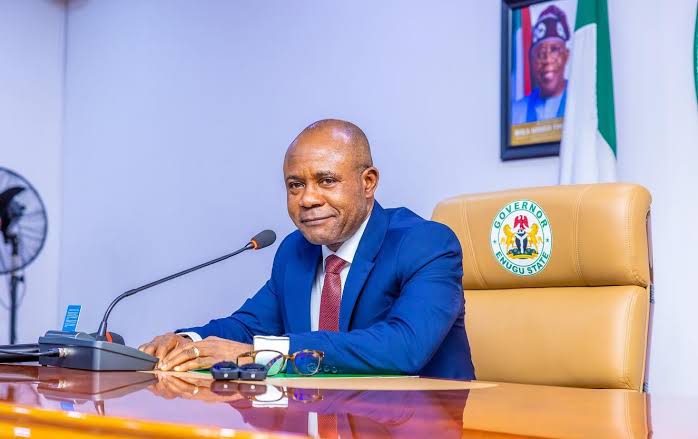
In an era where political divisions often shape governance narratives, Peter Ndubuisi Mbah is increasingly being recognised for a leadership style that prioritises service delivery over party allegiance.
Analysts and stakeholders say that the Enugu State governor has continued to distinguish himself through policies and programmes aimed at improving the welfare of citizens, regardless of political affiliation.
Mbah, whose background spans business and strategic management, has brought a results-driven approach to governance, emphasising efficiency, accountability, and measurable outcomes.
His administration has focused on structured planning and performance-based execution rather than political rhetoric.
A major highlight of his governance is infrastructure development.
Across urban and rural communities, ongoing road construction and rehabilitation projects are improving connectivity, easing transportation, and boosting local economies. Residents report shorter travel times, reduced transport costs, and better access to markets, schools, and healthcare services.
In the economic sector, the governor’s policies have been geared toward attracting investments and supporting small and medium-sized enterprises (SMEs). These initiatives are aimed at job creation, particularly for youths, while fostering a business-friendly environment in the state.
Education reform remains a key pillar of his administration. Efforts to upgrade school infrastructure, enhance teacher capacity, and integrate digital learning tools are designed to position students for a competitive, technology-driven future.
Healthcare delivery has also received attention, with investments in primary healthcare centres and improved medical support systems aimed at bringing quality services closer to the people.
On security, the administration has strengthened collaboration between communities and law enforcement agencies to ensure a safer environment for residents and businesses.
Observers note that Mbah’s governance style reflects inclusivity, with policies that cut across political, ethnic, and social divides. His emphasis on transparency and accountability, they say, is helping to build public trust.
Despite criticisms from some quarters describing him as partisan, supporters argue that his political alignment does not detract from his commitment to delivering good governance and improving the lives of Enugu residents.
Recently, the state government, in partnership with the French Government, flagged off pipe-borne water projects aimed at expanding access to clean water across communities.
The administration has also moved to eliminate multiple taxation across various sectors, a step seen as easing the burden on civil servants, traders, and local businesses.
Stakeholders believe that Mbah’s development-driven approach offers a practical example of governance that transcends political divides, focusing instead on tangible improvements in infrastructure, education, healthcare, and economic growth.
As Nigeria continues to confront developmental challenges, many say leadership models anchored on performance and service delivery, such as Mbah’s, will remain critical to sustainable progress.
Okechukwu Nwafor
Concerned Professionals for Good Governance(A good leadership Advocacy Group)
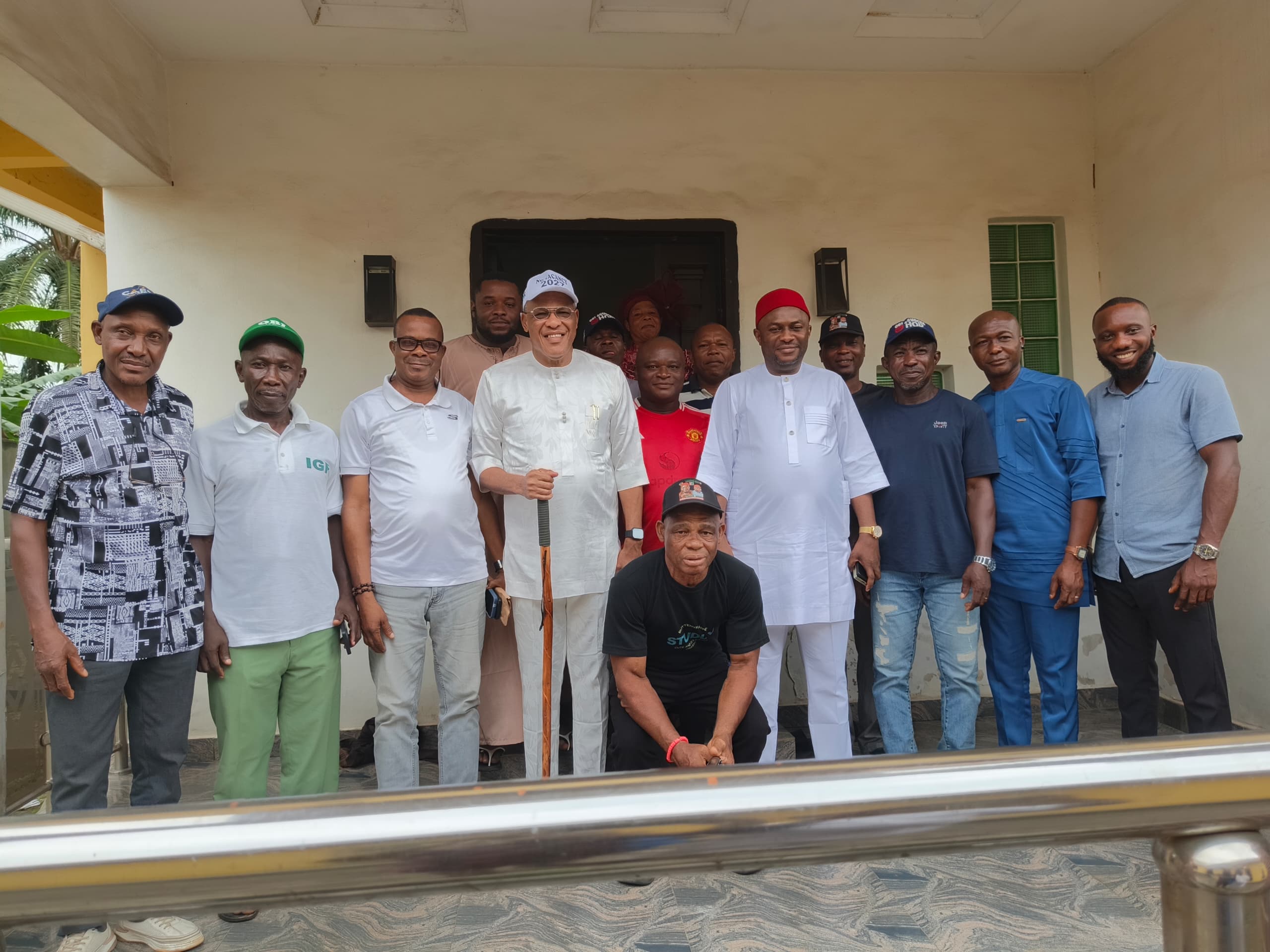
Rt. Hon. Obi Aguocha, Member representing Ikwuano/Umuahia North/Umuahia South Federal Constituency in the House of Representatives, has visited Ikwuano as part of ongoing efforts to strengthen the Labour Party and promote greater unity ahead of the forthcoming elections.
During the visit, Rt. Hon. Obi Aguocha, accompanied by Hon. Osinachi Hycinth Nwaka, Director-General, Ministry of Finance Incorporated (MOFI), Abia State, held a strategic meeting with Labour Party ward chairmen from across Ikwuano at the residence of Comrade Lucky Nkemka in Okwe Community.
The meeting provided an opportunity for frank engagement, reconciliation and renewed commitment to the collective vision of the party. Discussions centred on strengthening the party structure at the grassroots, promoting unity among party leaders and members, and ensuring that the Labour Party remains focused, organised and prepared for the challenges of the forthcoming elections.
Speaking during the meeting, Rt. Hon. Obi Aguocha highlighted some of his legislative achievements and ongoing efforts towards improving the lives of constituents across Ikwuano, which forms an integral part of the federal constituency he represents. He reaffirmed his commitment to effective representation and to advancing initiatives that will bring meaningful development and opportunities closer to the people.
He also emphasised the importance of unity, cooperation and grassroots engagement, noting that a strong political structure can only be sustained when leaders and members work together towards a common objective.
In his remarks, Hon. Osinachi Hycinth Nwaka encouraged the ward chairmen to remain steadfast, committed and dedicated to the ideals of the Labour Party. He urged them to continue working together, maintain discipline within the party structure and remain committed to the collective interest of the party and the vision of His Excellency, Dr. Alex Chioma Otti, Governor of Abia State.
The meeting ended on a positive note, with participants expressing renewed optimism and commitment to greater cooperation, unity and a stronger Labour Party structure in Ikwuano.
Mr. Richard Isaac,
PA To Hon. Osinachi Hycinth Nwaka
DG, MOFI.
08-09-2026.
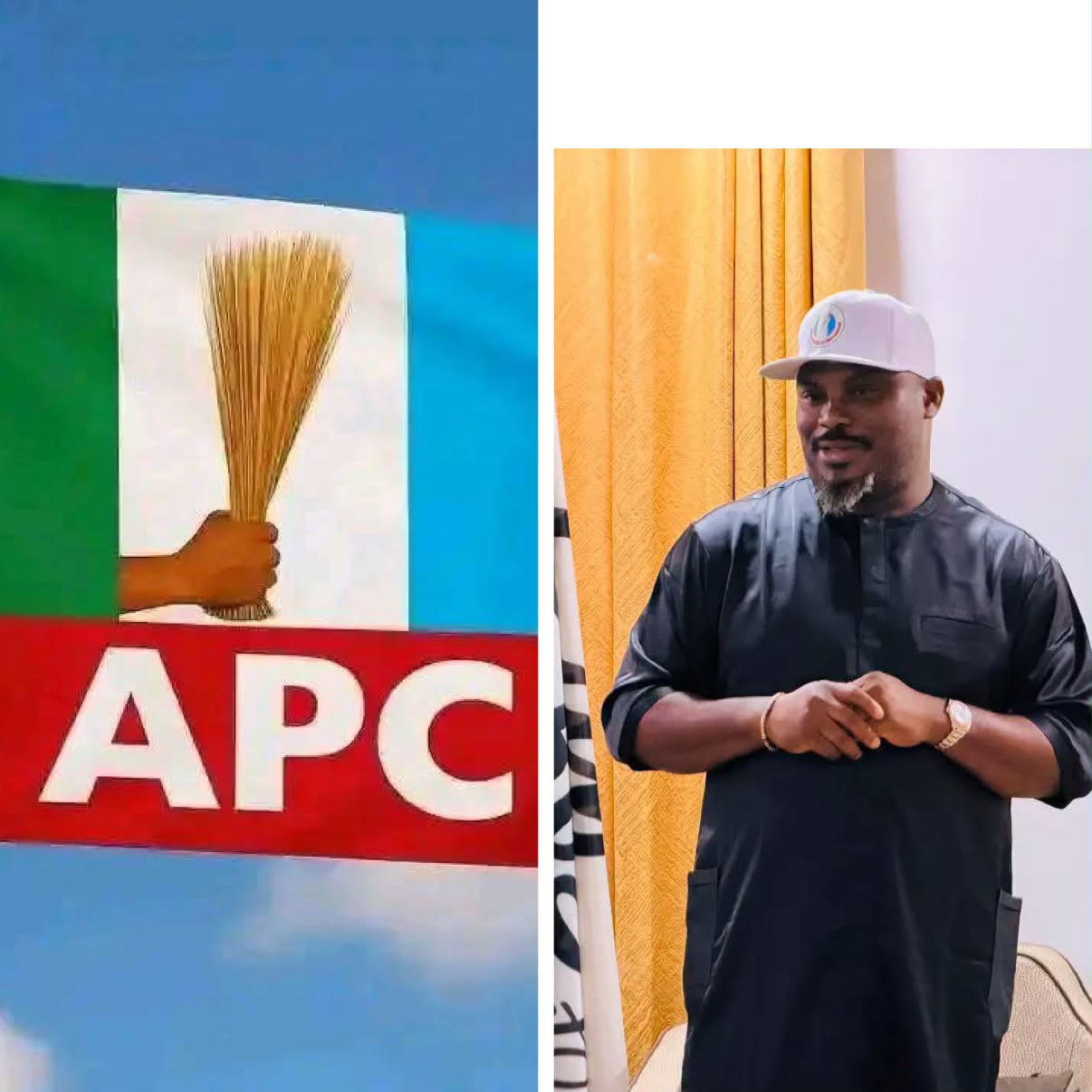
The Abia State Chapter of the All Progressives Congress (APC) has disowned a statement purportedly issued by its State Youth Leader calling for the suspension of the activities of the City Boys Movement in the state.
In a statement signed by the party’s Publicity Secretary, Uche Aguoru, the State Chairman and State Working Committee (SWC) said they were not consulted and did not authorize the statement.
The party described the purported statement as unauthorized and stated categorically that it neither reflects the position of the State Chairman nor carries the endorsement or approval of the State Working Committee.
According to the APC, the party leadership in Abia is working in partnership with the leadership of the City Boys Movement, alongside other support groups and political structures across the state, towards the party’s objective of securing victory for President Bola Ahmed Tinubu and other APC candidates in the 2027 general election.
The party consequently cautioned its State Youth Leader against taking actions or issuing statements without authorization, particularly where such actions could create an impression of disunity, generate disaffection among members or undermine the collective efforts of the party.
The APC further directed its members, supporters and affiliated groups to disregard the purported statement and remain guided by decisions and directives issued through the appropriate organs of the party.
The Abia APC leadership reaffirmed its commitment to maintaining unity, discipline and cooperation among its members, support groups and other stakeholders as preparations for the 2027 general election intensify.
POLITICS
I Won’t Give Constituents What I Can’t Give My Children — Obi Aguocha Defends Empowerment Philosophy, Highlights Achievements
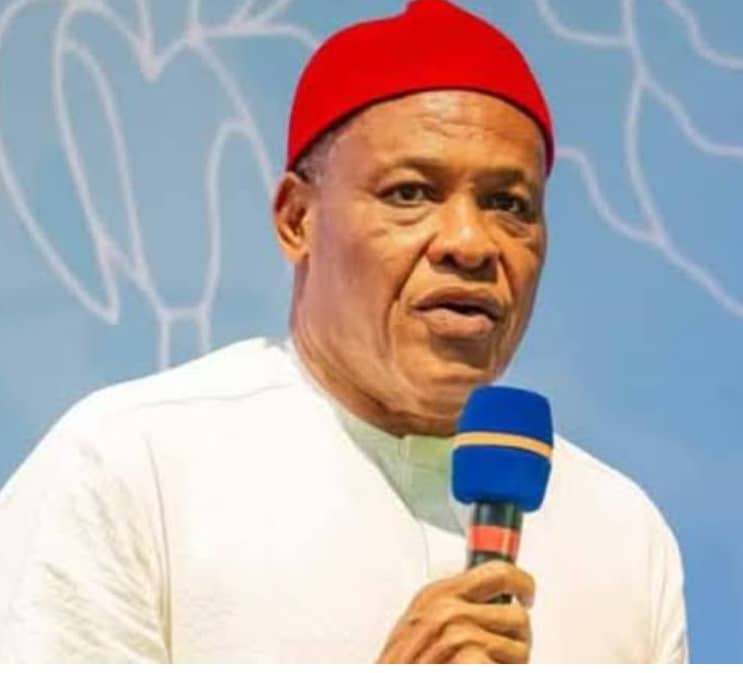
The member representing Ikwuano/Umuahia Federal Constituency in the House of Representatives, Hon. Obi Aguocha, has highlighted his achievements in office, stressing that his approach to empowerment is centred on creating sustainable value rather than distributing temporary relief materials.
Aguocha made the remarks while speaking during a radio programme on Rapid FM, Umuahia, where he reviewed his representation, ongoing infrastructure projects and his vision for the development of Ikwuano/Umuahia and Abia State.
Speaking once more on his approach to empowerment, Aguocha said he would not give constituents what he would not be willing to give his own children.
“I can’t give to you what I can’t give to my children in terms of empowerment,” he said.
The lawmaker explained that his empowerment philosophy was based on providing opportunities capable of improving people’s lives in the long term, rather than limiting empowerment to the distribution of food items, motorcycles or other short-term interventions.
“My empowerment is value-added. I’m not one that will give you rice and keke. I can’t give to you what I can’t give to my children in terms of empowerment,” he stated.
Aguocha also highlighted several projects and interventions he said he had attracted or facilitated within the constituency and the state.
He disclosed that the New haven to Isi court Road had been captured in the budget of the Umuahia Capital Development Authority and would be completed, describing the project as an important intervention for residents of the area.
He also spoke about an erosion-control intervention at Atayi Ibeku, which he said had recently been carried out, as well as several school projects across the constituency.
According to him, he is preparing to commission and flag off various school projects at Ndume Ibeku, including the rehabilitation of two-storey classroom blocks at Amuzukwu, classroom blocks at Ofeme, and the reconstruction of more than 15 classroom blocks at Umuwawa in Umuahia South, among others.
Aguocha said the projects were part of his broader effort to ensure that constituents directly benefit from democratic governance.
He further disclosed that about 3,000 streetlights had been installed across different communities in his constituency, particularly in Ward 3, Ugwunchara.
He also pointed to the Umuahia–Ikotekpene Road as another major intervention, recalling that he moved a motion in the House of Representatives seeking an investigation into the road and advocating for action after years of neglect.
According to him, the Abia State Government eventually took over the road project as a matter of urgent public importance, despite the fact that the state would have to await reimbursement from the Federal Government.
He commended Governor Alex Otti for prioritising the project, saying the decision demonstrated a willingness to act in the interest of the people rather than wait indefinitely for federal intervention.
The lawmaker also highlighted his legislative efforts towards the establishment of a Federal Medical Centre in Ikwuano, saying the bill had been transmitted by the Clerk of the National Assembly to the Presidency for presidential assent.
Aguocha expressed optimism that President Bola Ahmed Tinubu would assent to the bill, noting that the establishment of the medical centre would have significant implications for healthcare delivery and economic development in the constituency.
He said the proposed Federal Medical Centre, together with the conversion of Michael Okpara University of Agriculture, Umudike, into a conventional university, would create opportunities for the transformation of the existing Federal Medical Centre in Umuahia into a tertiary teaching hospital.
According to him, the expansion of federal institutions in the area would bring employment opportunities, stimulate economic activity and promote institutional development.
“These things are institutional empowerment,” Aguocha said, distinguishing them from short-term empowerment programmes.
Aguocha also addressed the issue of pensioners’ gratuities, describing it as one area where the Abia State Government must continue to intensify efforts.
While acknowledging that pension payments had improved under the present administration, he said the government needed to go beyond regular pension payments and ensure that retired workers receive their outstanding gratuities.
He said Governor Otti was committed to clearing the backlog and had already phased the payments into different stages.
Aguocha expressed confidence that the outstanding gratuities would be substantially cleared before the next election cycle, allowing pensioners to use their entitlements to support their families, invest in businesses and improve their living conditions.
He also spoke emotionally about the issue, recalling that his late mother died without receiving her gratuity.
According to him, the experience reinforced his conviction that retired workers who spent their productive years serving the state deserved dignity in retirement.
The lawmaker said governance should not be reduced to meeting immediate needs without planning for the future.
While acknowledging the hardship and rising cost of living confronting Nigerians, Aguocha argued that governments must simultaneously address present challenges and make long-term plans for future generations.
He stressed the need for adequate housing, healthcare facilities, schools, roads and other infrastructure as Nigeria prepares for significant population growth in the coming decades.
He also advocated a change in the mindset of citizens, arguing that development requires collective responsibility and a willingness to look beyond immediate political and material gains.
Aguocha said the present administration in Abia was working towards changing the state’s development narrative, describing himself as a passionate advocate and defender of the Labour Party-led government of Governor Alex Otti.
He maintained that the administration had achieved significant progress within its first three years and argued that its performance should be measured against the condition of the state before it assumed office.
“No government has come into power that has done better than the present Labour Party-led government,” he said.
Aguocha also spoke extensively about his advocacy for justice, particularly his involvement in the case of detained Indigenous People of Biafra (IPOB) leader, Nnamdi Kanu.
He said his advocacy was not solely about Kanu but about ensuring fairness in Nigeria’s criminal justice system and addressing what he described as perceived disparities in the treatment of people from the South-East.
According to him, the issues surrounding Kanu’s case are connected to broader concerns about the treatment of Igbos and the roots of the agitation for Biafra.
He argued that the Federal Government needed to engage honestly with the underlying grievances that fuel separatist sentiments, saying that the issues would persist unless their root causes were addressed.
Aguocha said he was encouraged by the recognition he had received from Kanu’s family and others for his role in the matter, describing the endorsement as a validation of his commitment to justice.
Aguocha said his ultimate objective was to provide representation that would leave lasting benefits for the people rather than temporary political rewards.
He said his focus was on projects and policies capable of creating employment, improving infrastructure, expanding access to education and healthcare, and giving young people opportunities to build sustainable livelihoods.
He maintained that development should not be measured only by what people receive today but by the structures put in place to improve their lives tomorrow.
For Aguocha, true empowerment is therefore about creating opportunities that he would be proud to provide for his own children and that, he said, remains the guiding principle of his representation of Ikwuano/Umuahia Federal Constituency.


GOVERNOR OTTI FELICITATES MEMBER REPRESENTING IKWUANO/UMUAHIA FEDERAL CONSTITUENCY, HON. OBI AGUOCHA ON HIS BIRTHDAY.

Rt. Hon. Obi Aguocha Engage Labour Party Ward Chairmen in Ikwuano

APC Abia Disowns Youth Leader’s Statement Calling For Suspension Of City Boys Movement
-
Fashion9 years ago
These ’90s fashion trends are making a comeback in 2017
-
Entertainment9 years ago
The final 6 ‘Game of Thrones’ episodes might feel like a full season
-
Fashion9 years ago
According to Dior Couture, this taboo fashion accessory is back
-
Entertainment9 years ago
The old and New Edition cast comes together to perform
-
SPORTS9 years ago
Phillies’ Aaron Altherr makes mind-boggling barehanded play
-
BUSINESS9 years ago
Uber and Lyft are finally available in all of New York State
-
SPORTS9 years ago
Steph Curry finally got the contract he deserves from the Warriors
-
Entertainment9 years ago
Disney’s live-action Aladdin finally finds its stars